fórum educação 5.0
fórum educação 5.0
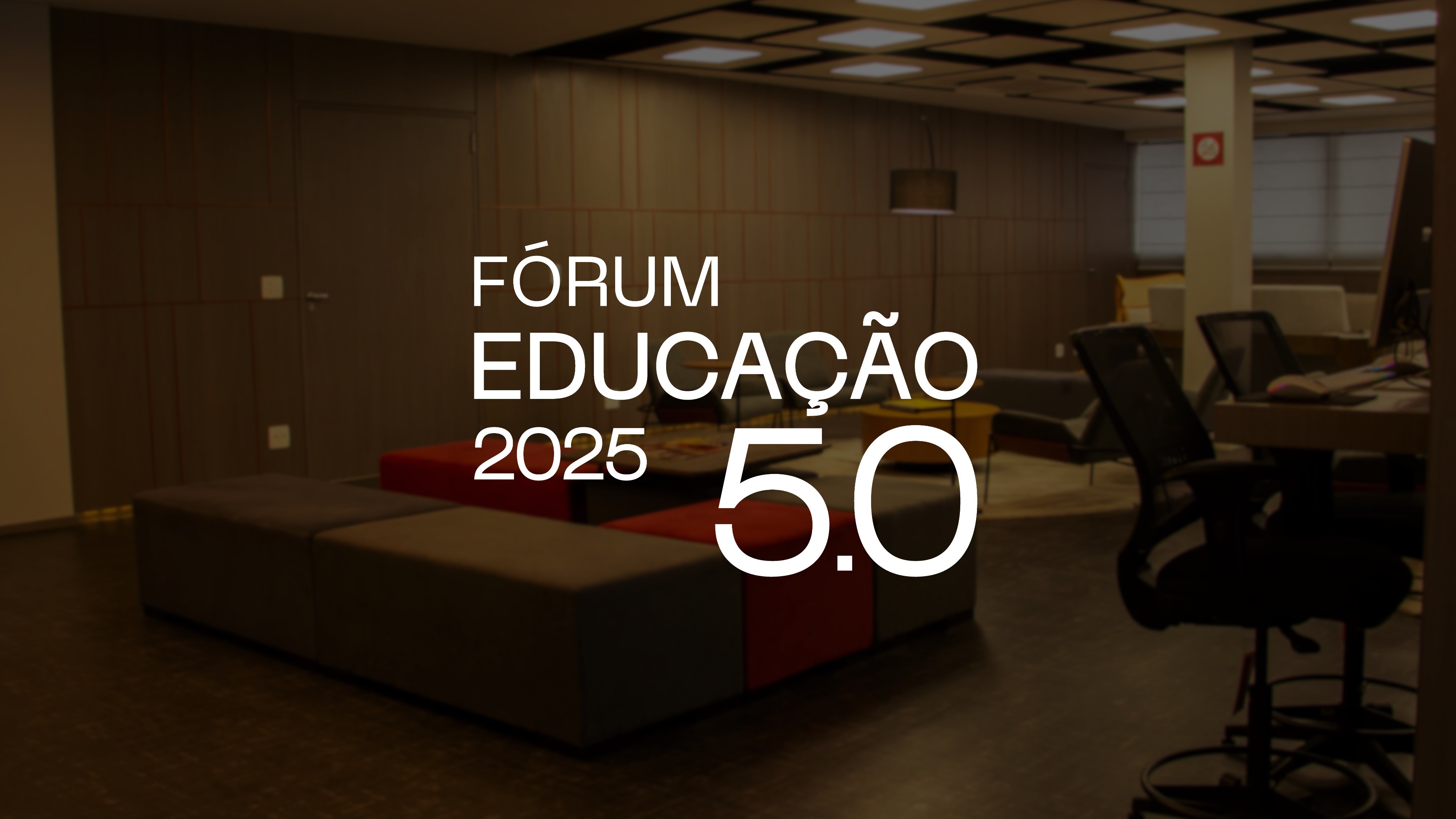
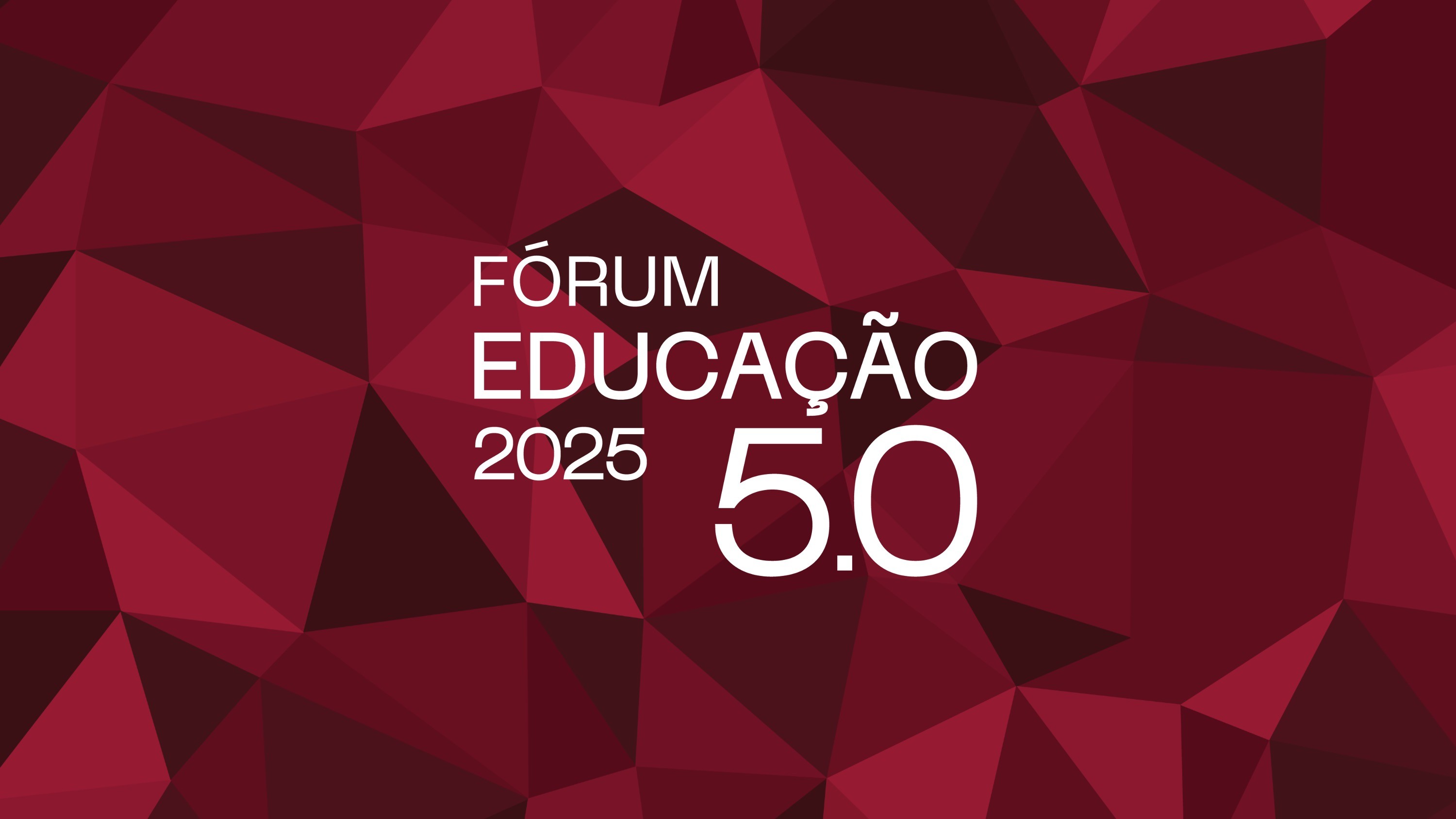
freelance project for ESPM to develop the visual identity for fórum educação 5.0, a future-of-education event focused on the alpha generation. held in april 2025 across two editions—rio de janeiro (04/11) and são paulo (04/22)—the system needed to stay consistent while accommodating changing content. hired by Dalton Pastore and the ESPM marketing team, we built a print-first identity and editorial toolkit for the participant binder, delivering logo lockups, typographic hierarchy, grid and components, binder cover, binder booklet layouts (rio + são paulo editions), and print-ready files.
freelance project for ESPM to develop the visual identity for fórum educação 5.0, a future-of-education event focused on the alpha generation. held in april 2025 across two editions—rio de janeiro (04/11) and são paulo (04/22)—the system needed to stay consistent while accommodating changing content. hired by Dalton Pastore and the ESPM marketing team, we built a print-first identity and editorial toolkit for the participant binder, delivering logo lockups, typographic hierarchy, grid and components, binder cover, binder booklet layouts (rio + são paulo editions), and print-ready files.
year
2025
2025
duration
2 months
2 months
client
Dalton Pastore (ESPM president)
ESPM marketing team: Alessandro Novo, Evellyn Lima, Jane de Freitas, Lucila Carvalho
Presidente da ESPM: Dalton Pastore
Time de Marketing da ESPM: Alessandro Novo, Evellyn Lima, Jane de Freitas, Lucila Carvalho
my role
responsible for the event’s visual identity, the graphic direction for the binder sheets, and the editorial design of both booklets (rio de janeiro and são paulo editions).
responsible for the event’s visual identity, the graphic direction for the binder sheets, and the editorial design of both booklets (rio de janeiro and são paulo editions).
team contribution
Gabriela Pires — collaborated across all stages, supporting identity exploration, layout development, and final production files.
Gabriela Pires — collaborated across all stages, supporting identity exploration, layout development, and final production files.
01
/challenge
challenge
challenge
we needed to create a distinctive identity for fórum educação 5.0 that could function as its own event brand while remaining fully compliant with ESPM’s governance standards. the visual language had to balance institutional authority with a credible signal of innovation—future-facing, but never trendy, playful, or informal. beyond the mark, the real test was print: the participant binder was the primary product, packed with dense content where navigation, hierarchy, and readability mattered more than spectacle. the system also had to hold recognition across two editions (rio de janeiro and são paulo), accommodating agenda and content shifts without creating parallel versions or diluting the core signature.
we needed to create a distinctive identity for fórum educação 5.0 that could function as its own event brand while remaining fully compliant with ESPM’s governance standards. the visual language had to balance institutional authority with a credible signal of innovation—future-facing, but never trendy, playful, or informal. beyond the mark, the real test was print: the participant binder was the primary product, packed with dense content where navigation, hierarchy, and readability mattered more than spectacle. the system also had to hold recognition across two editions (rio de janeiro and são paulo), accommodating agenda and content shifts without creating parallel versions or diluting the core signature.
outcome
outcome
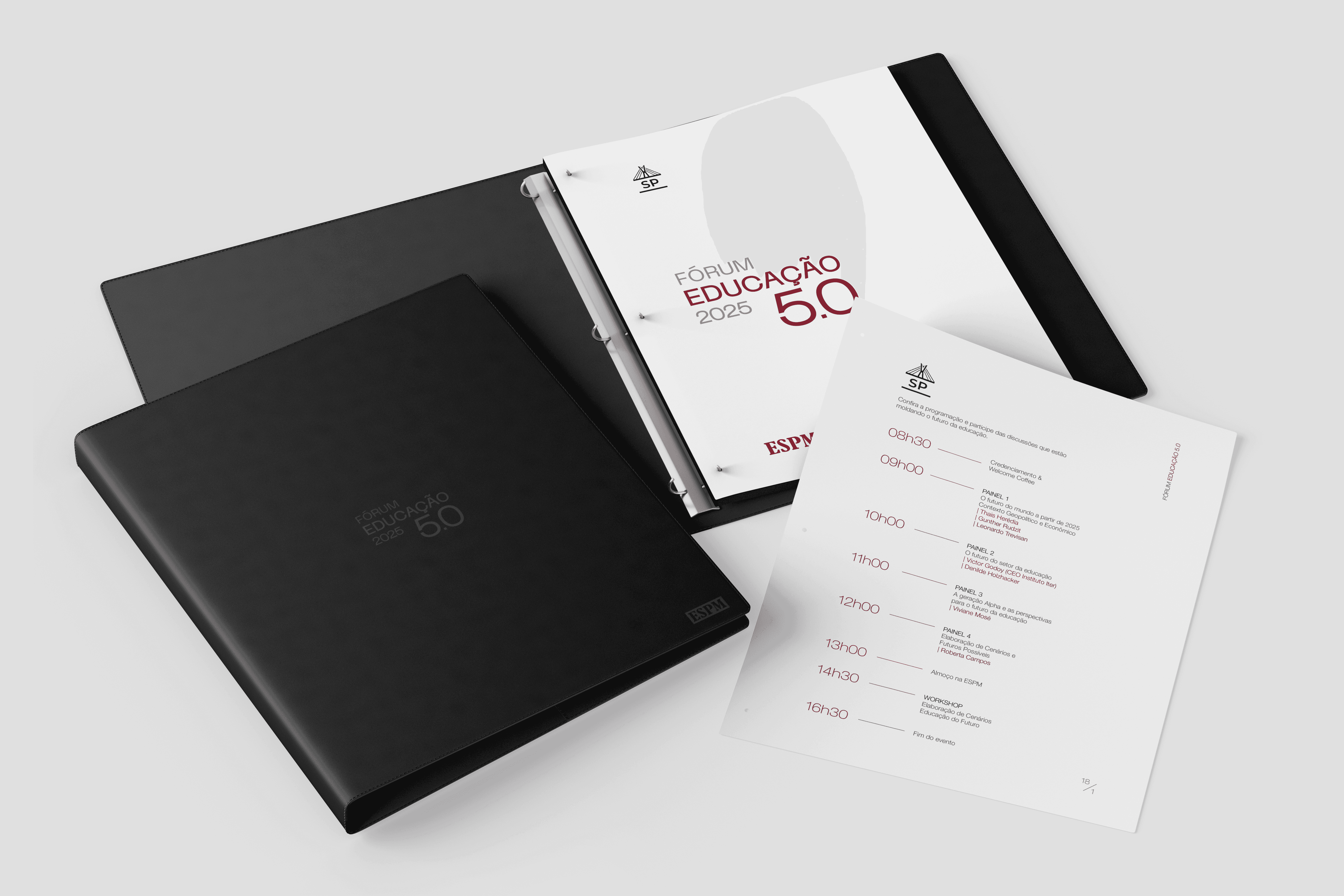
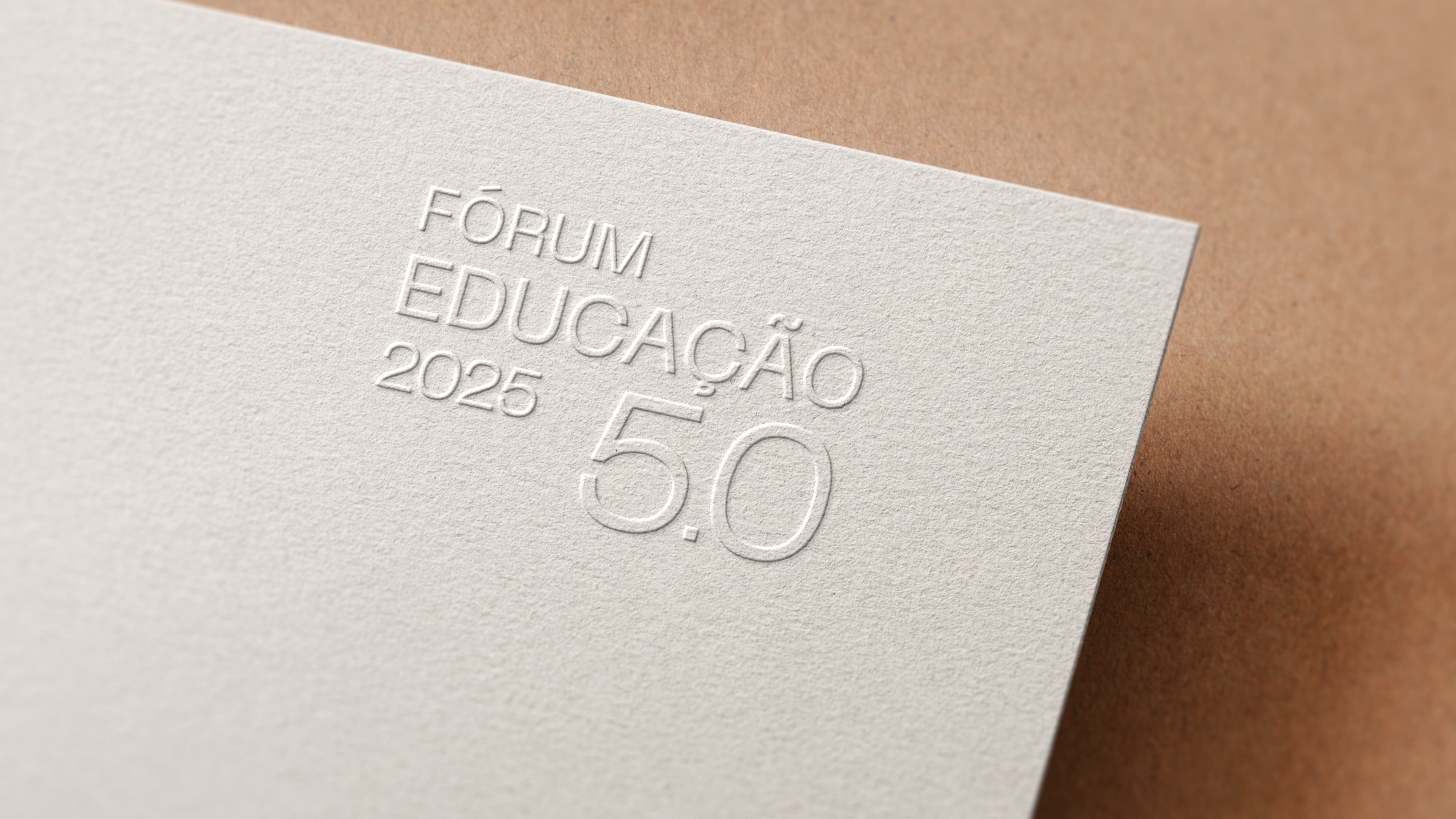
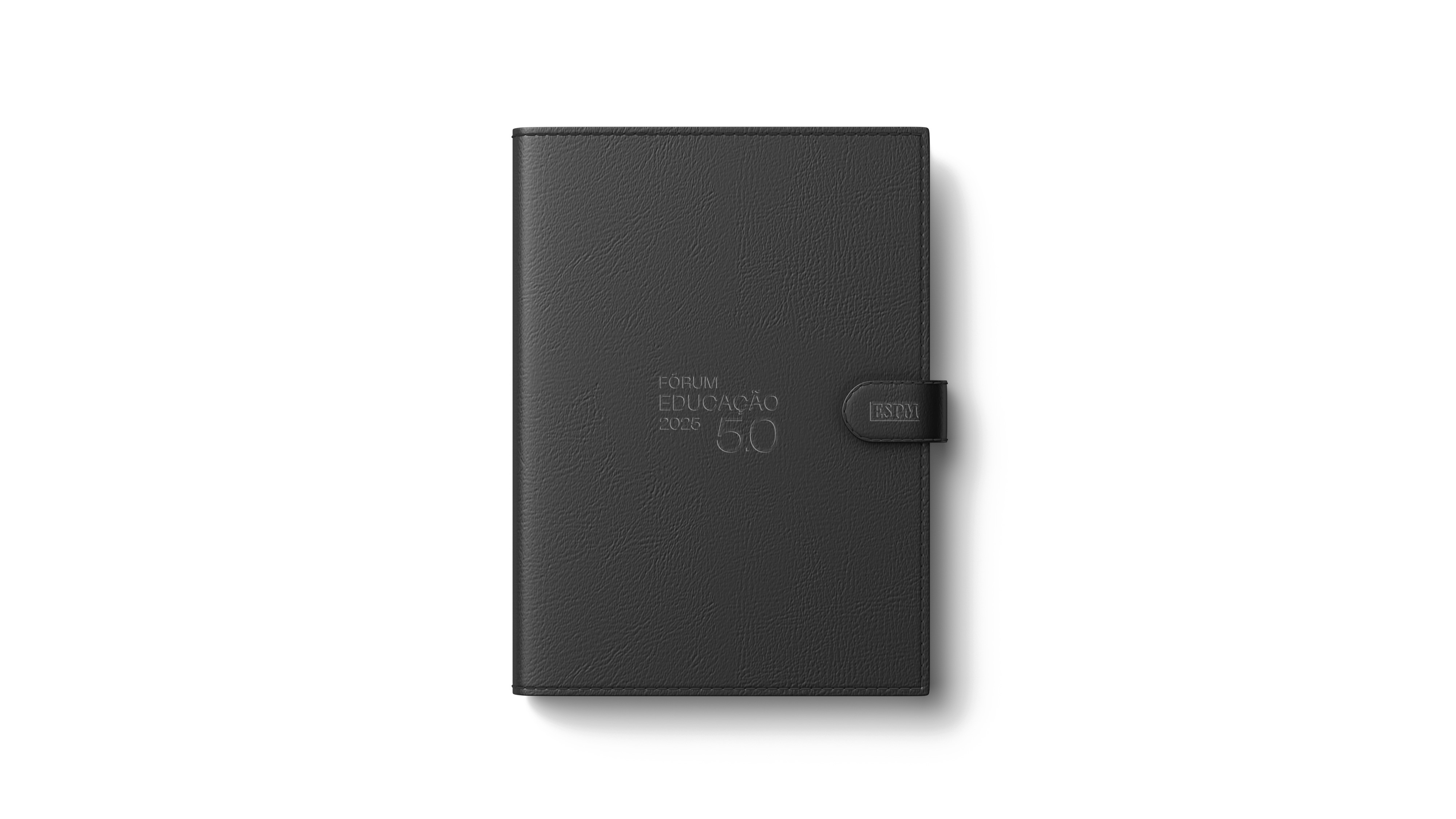
we delivered a complete identity system and translated it into a practical editorial toolkit built for real production constraints. the final package included standardized logo lockups, typographic hierarchy, a modular grid and reusable components, the binder cover system, and fully typeset binder booklets for both rio de janeiro and são paulo editions, exported as print-ready files with controlled variation only where content changed. the result is a cohesive, repeatable foundation that keeps ESPM’s institutional credibility intact while giving the forum a distinct signature, enabling future editions to evolve through content without rebuilding the identity or the editorial structure.
we delivered a complete identity system and translated it into a practical editorial toolkit built for real production constraints. the final package included standardized logo lockups, typographic hierarchy, a modular grid and reusable components, the binder cover system, and fully typeset binder booklets for both rio de janeiro and são paulo editions, exported as print-ready files with controlled variation only where content changed. the result is a cohesive, repeatable foundation that keeps ESPM’s institutional credibility intact while giving the forum a distinct signature, enabling future editions to evolve through content without rebuilding the identity or the editorial structure.
02
/strategy
strategy
strategy
we set the strategy around one requirement: build an identity that feels unmistakably ESPM, yet can endure across future editions without losing relevance. ESPM’s palette, typographic standards, and institutional cues were treated as fixed constraints, and distinction came from a complementary layer built on geometry, rhythm, and modular repetition—contemporary through structure, not through effects. development followed a narrow-to-wide process, starting with typographic sprints to test hierarchy and reading order across stacked and compact lockups, then stress-testing alternative recognition paths to ensure clarity under real-use conditions. in parallel, we treated the binder as the core experience rather than a set of isolated pages, defining a repeatable editorial logic designed to scale across sections, content density, and city editions while staying production-safe.
we set the strategy around one requirement: build an identity that feels unmistakably ESPM, yet can endure across future editions without losing relevance. ESPM’s palette, typographic standards, and institutional cues were treated as fixed constraints, and distinction came from a complementary layer built on geometry, rhythm, and modular repetition—contemporary through structure, not through effects. development followed a narrow-to-wide process, starting with typographic sprints to test hierarchy and reading order across stacked and compact lockups, then stress-testing alternative recognition paths to ensure clarity under real-use conditions. in parallel, we treated the binder as the core experience rather than a set of isolated pages, defining a repeatable editorial logic designed to scale across sections, content density, and city editions while staying production-safe.
creative process: identity
creative process: identity
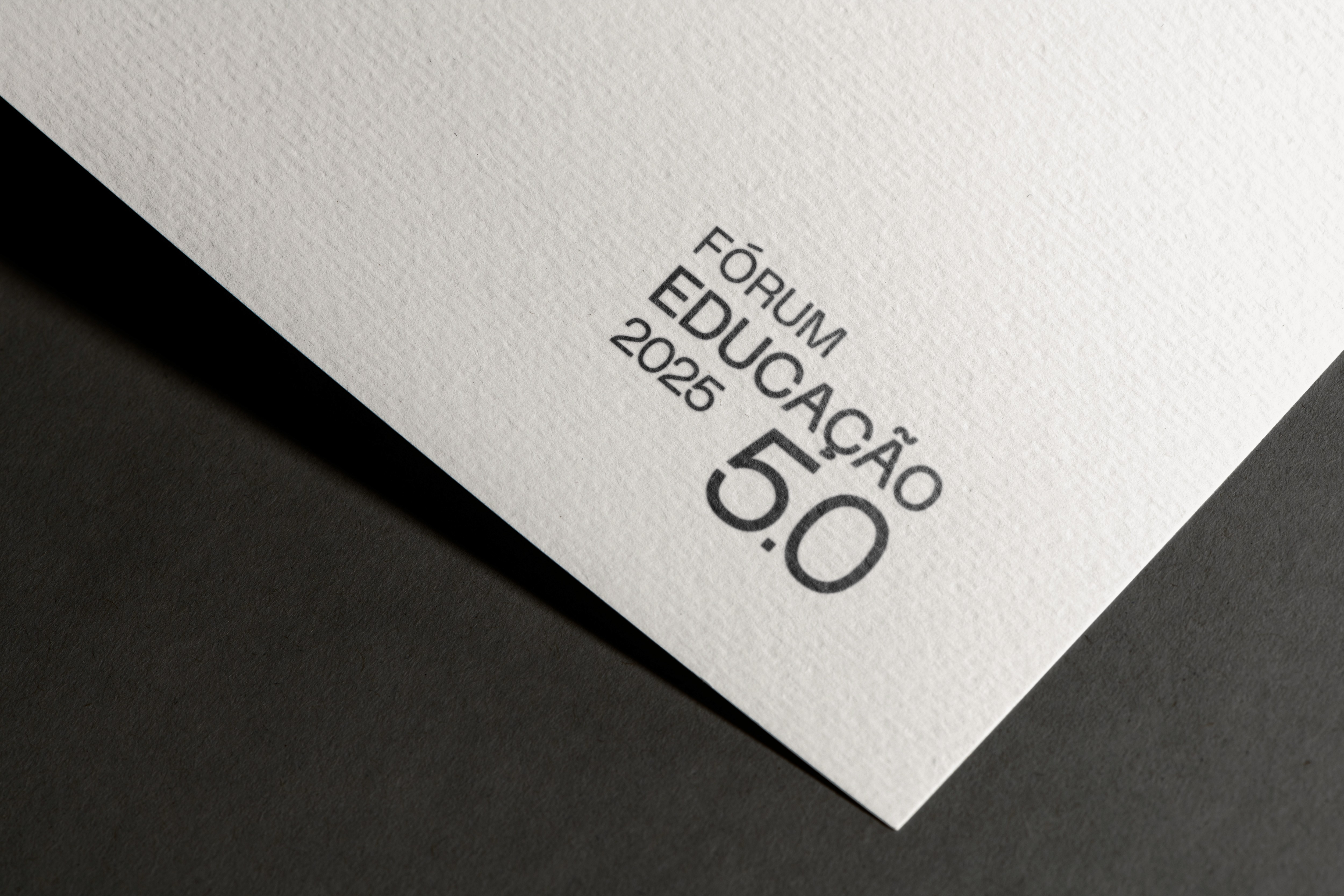
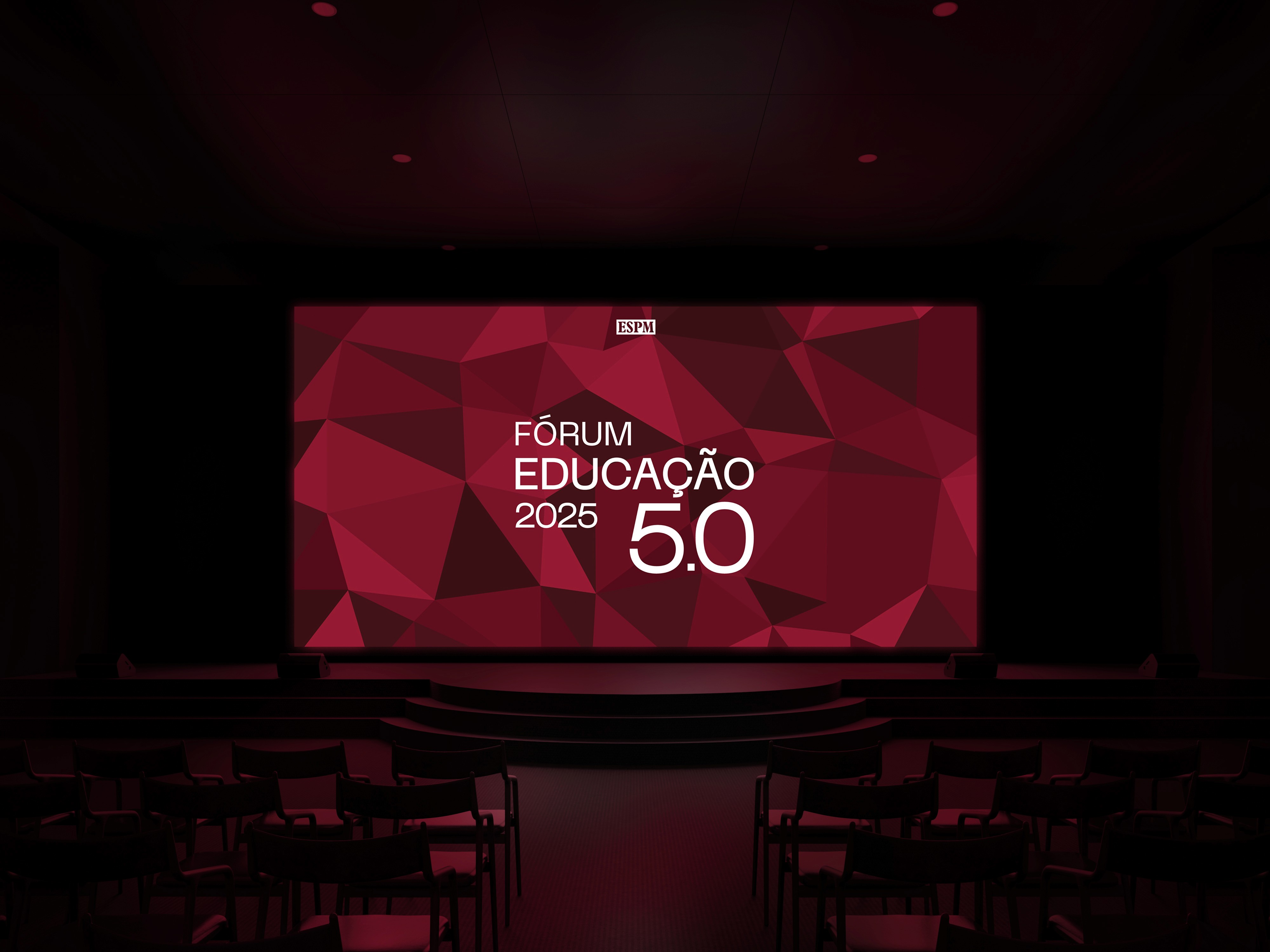
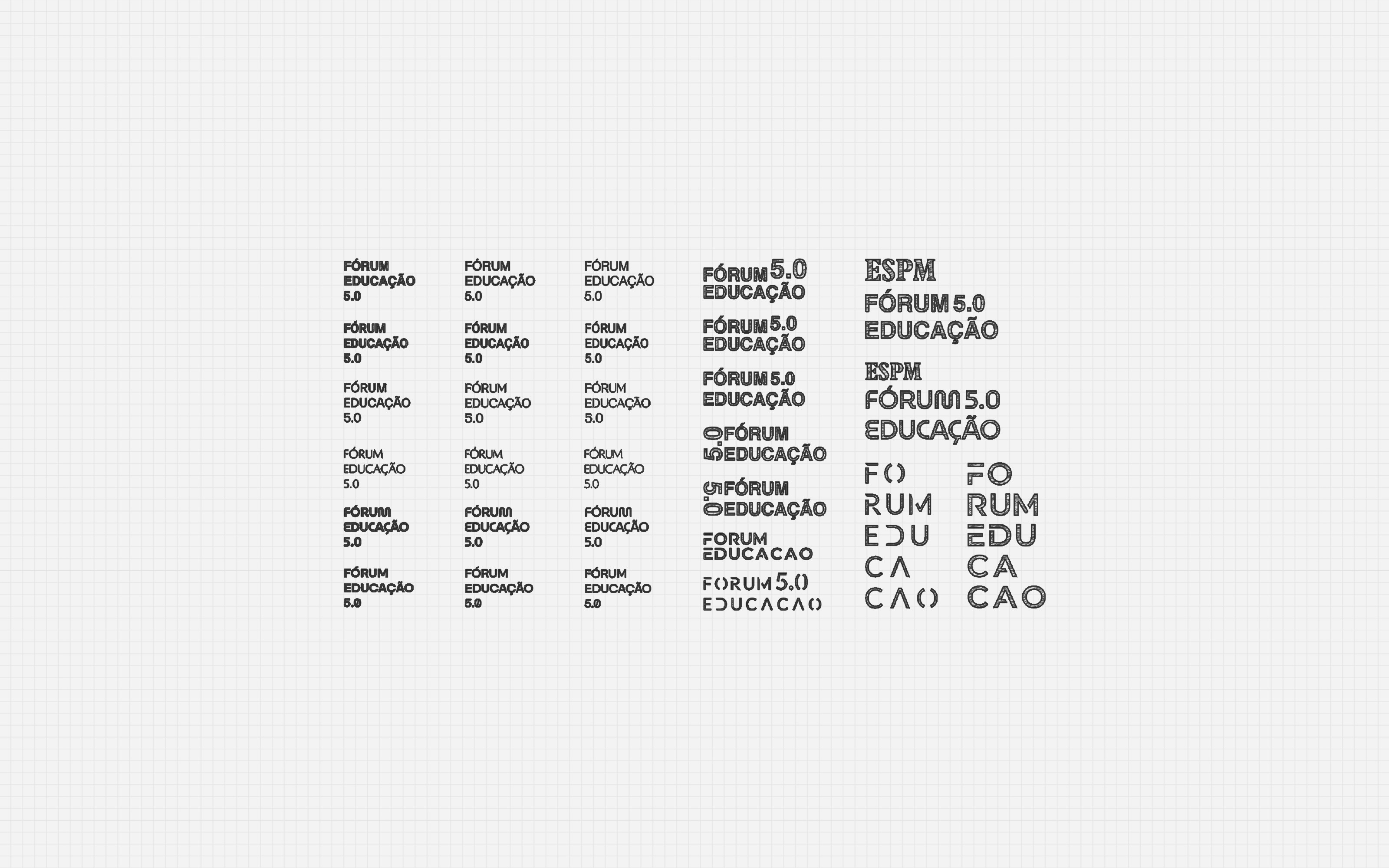
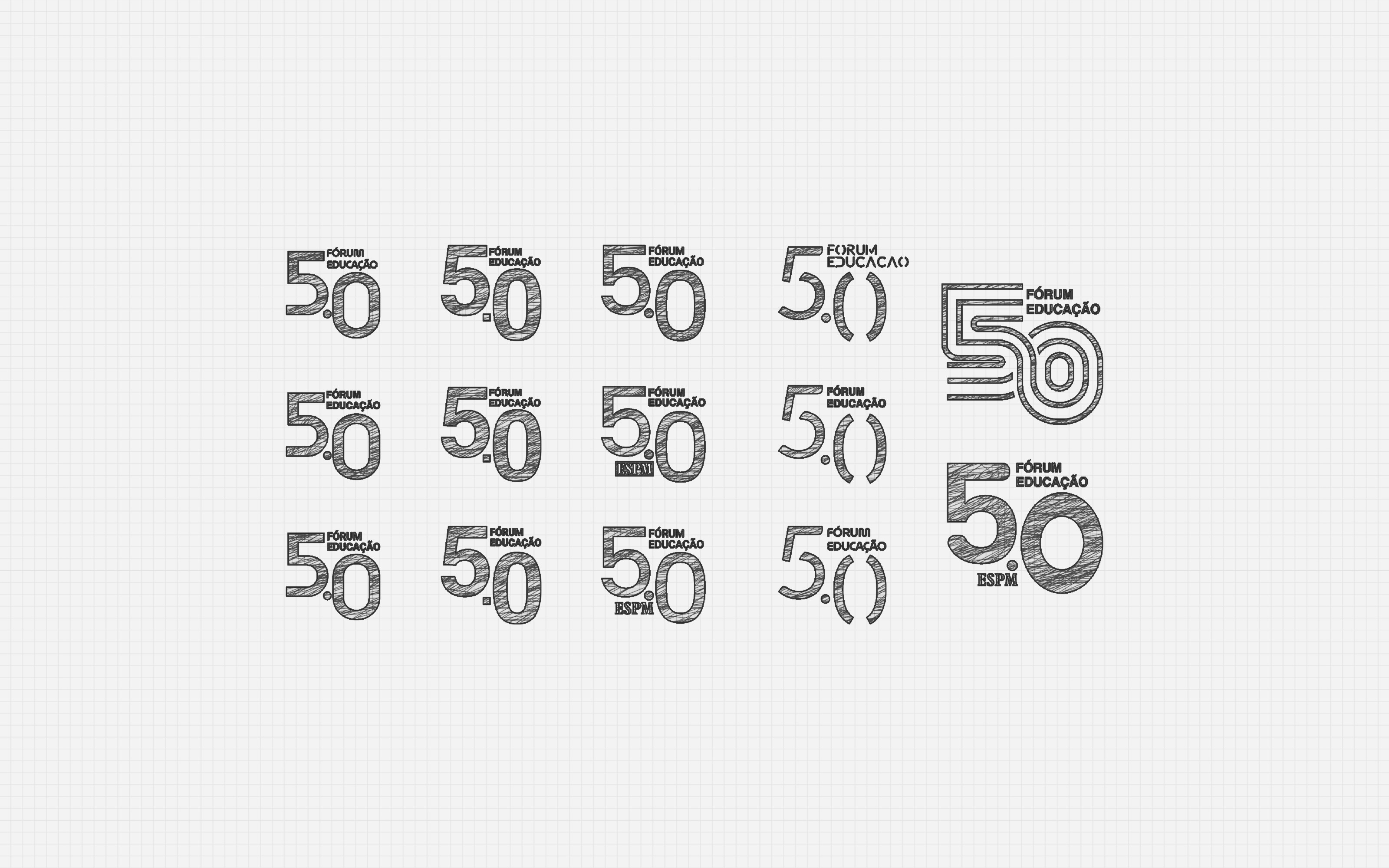
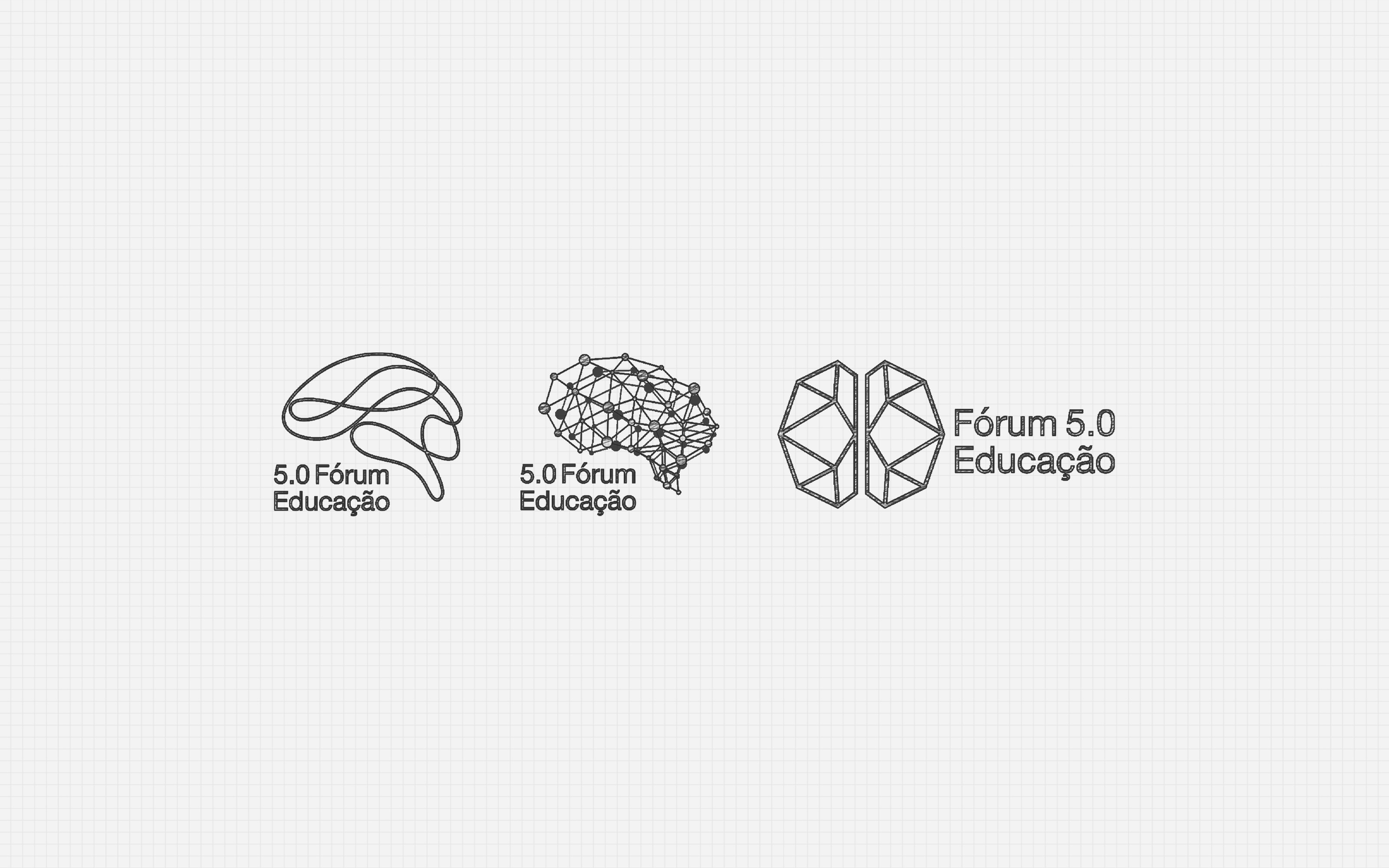
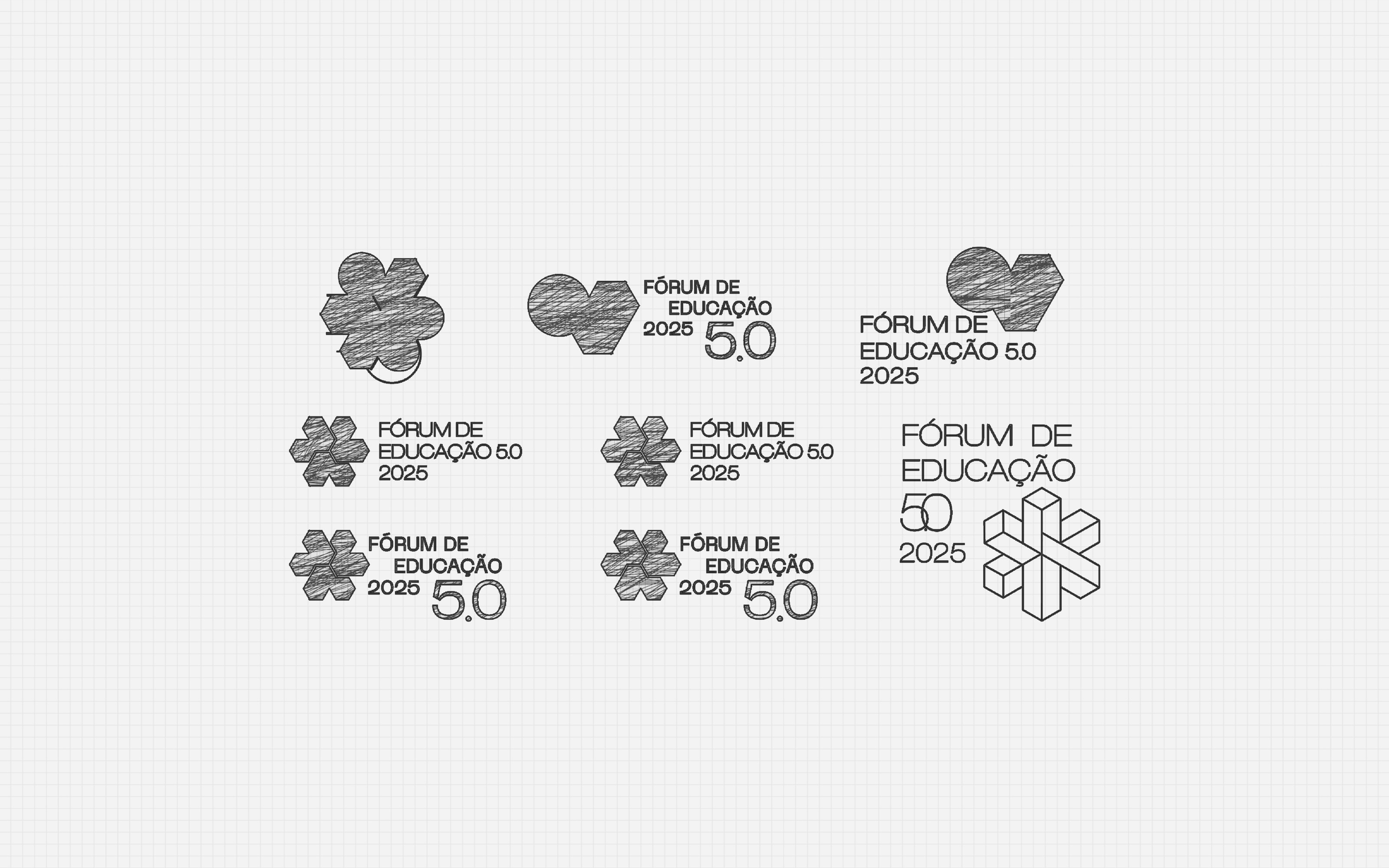
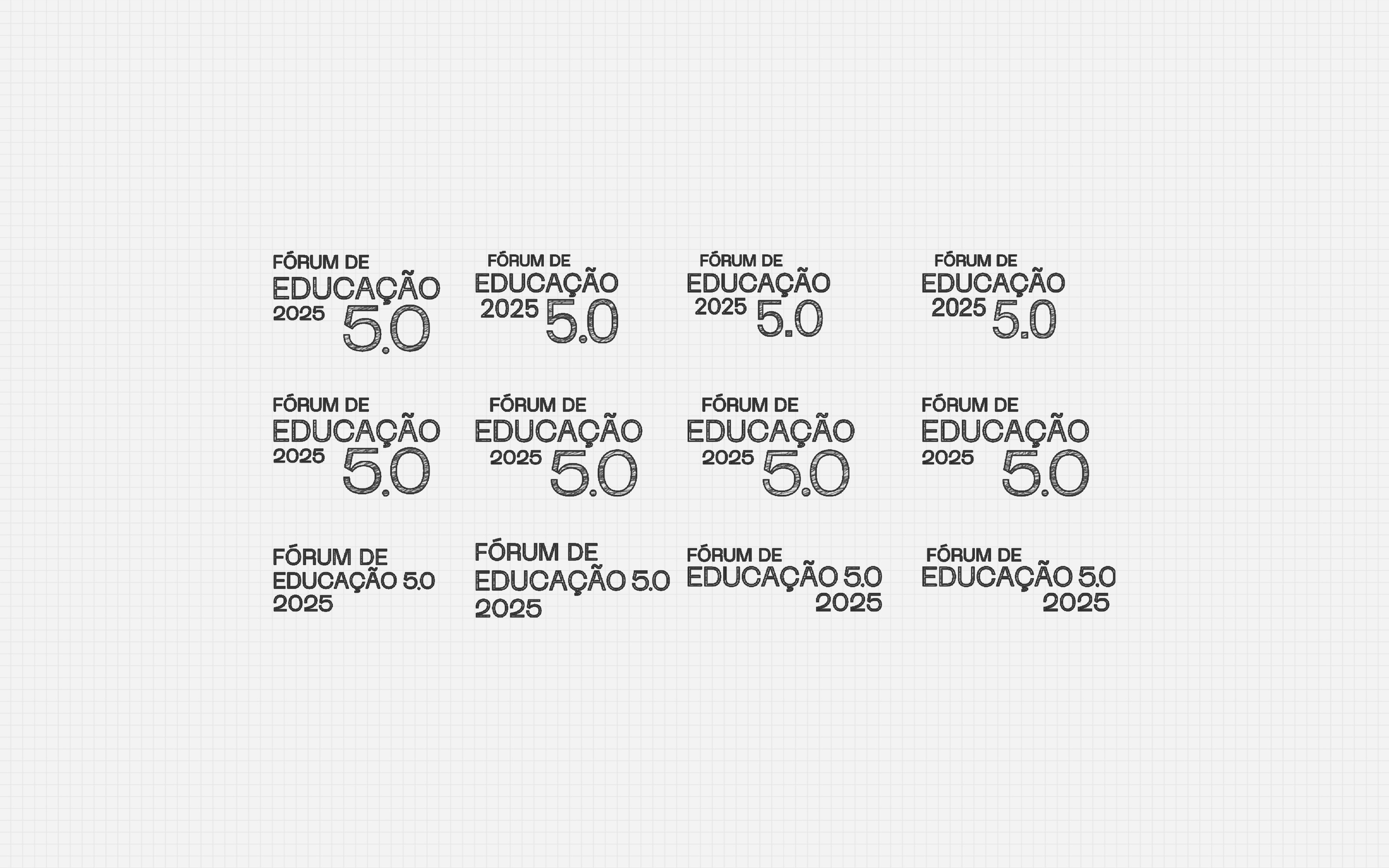
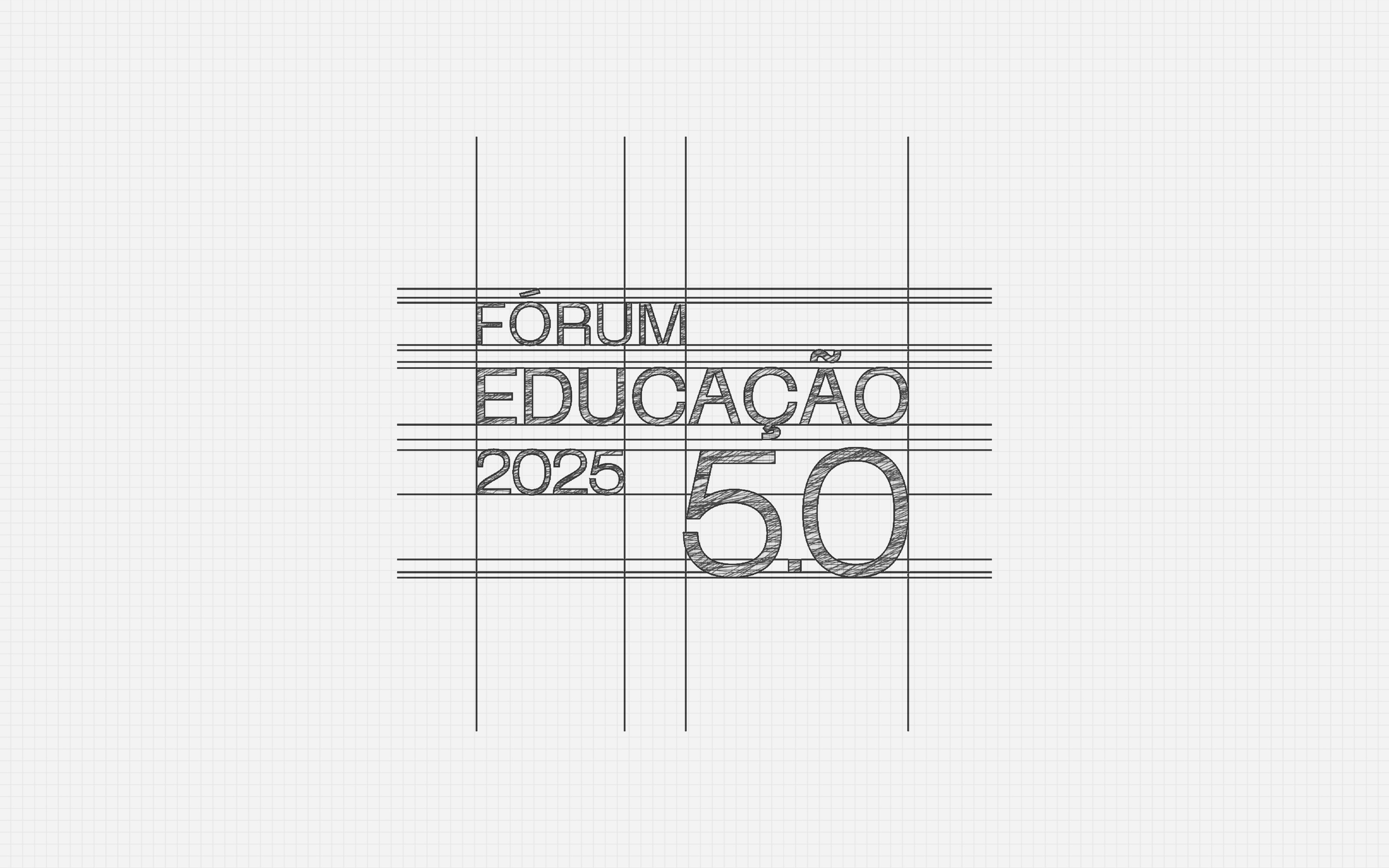
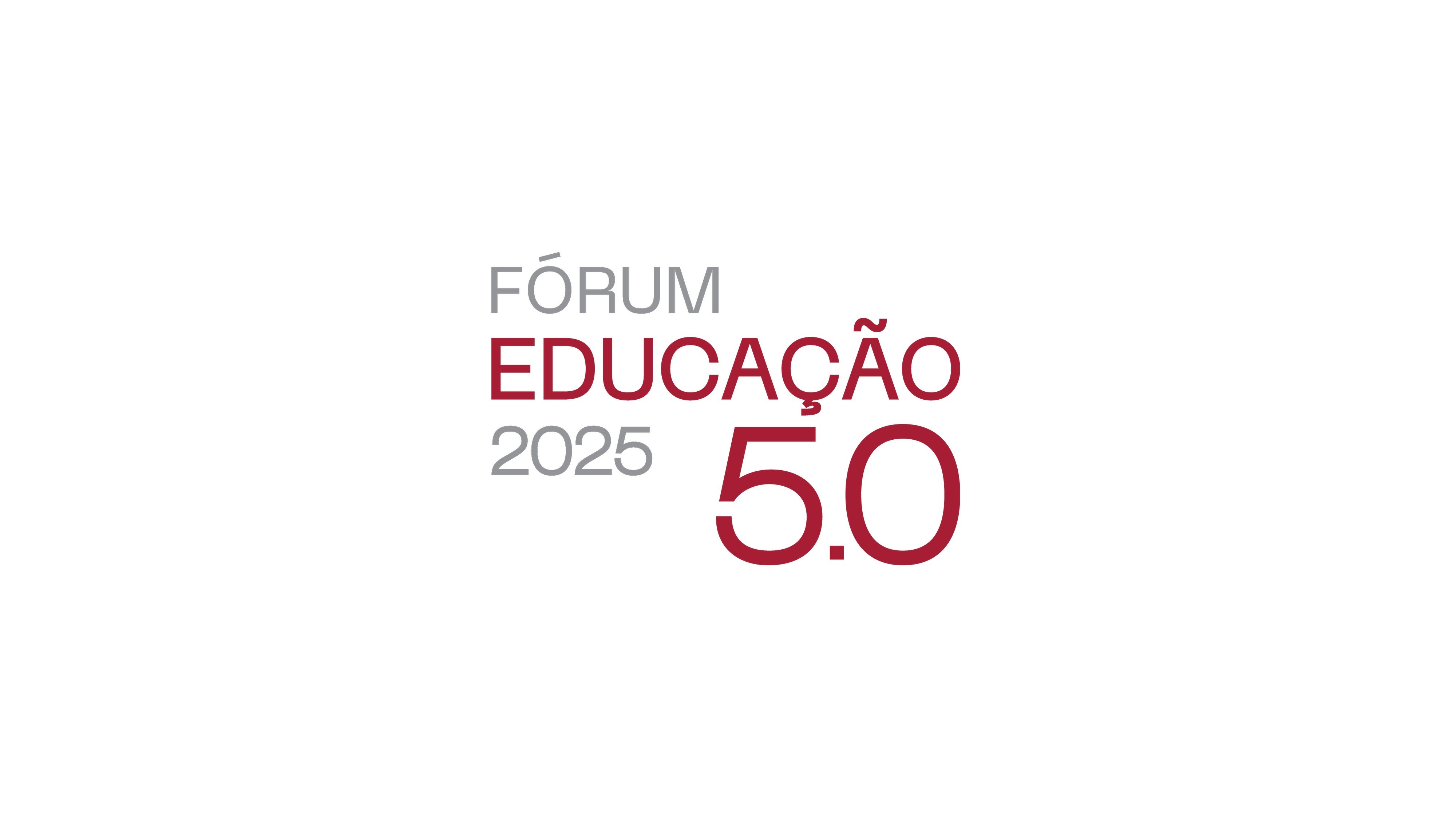
we began by treating the logotype as the core of the system, running fast typographic iterations to pressure-test legibility, hierarchy, and reading order across different lockup behaviors and sizes. early rounds clarified non-negotiables: the mark needed to stay stable when repeated across binder pages, remain readable in small applications, and align with ESPM governance without visual friction. we explored routes that pushed “5.0” as the dominant cue and tested simple symbol directions, but these options were intentionally discarded due to clarity and category fit—at small sizes “5.0” frequently collapsed into “50”, and common education symbols read as generic. the final direction committed to a typographic solution aligned with ESPM’s official style, then was refined through layout trials and a construction grid to standardize spacing, proportions, and consistent application across both city editions.
we began by treating the logotype as the core of the system, running fast typographic iterations to pressure-test legibility, hierarchy, and reading order across different lockup behaviors and sizes. early rounds clarified non-negotiables: the mark needed to stay stable when repeated across binder pages, remain readable in small applications, and align with ESPM governance without visual friction. we explored routes that pushed “5.0” as the dominant cue and tested simple symbol directions, but these options were intentionally discarded due to clarity and category fit—at small sizes “5.0” frequently collapsed into “50”, and common education symbols read as generic. the final direction committed to a typographic solution aligned with ESPM’s official style, then was refined through layout trials and a construction grid to standardize spacing, proportions, and consistent application across both city editions.

geometric pattern system
geometric pattern system
to extend the identity beyond the logotype and create a recognizable signature across materials, we developed a modular pattern derived from the project’s geometric forms. repetition introduced rhythm, structure, and a controlled sense of movement that supported the forum’s forward-looking theme while staying appropriate for an institutional context. by scaling, rotating, and cropping the modules, the pattern adapts to different layouts without breaking consistency, functioning as a flexible background layer that adds depth, supports composition, and unifies touchpoints under one coherent system.
to extend the identity beyond the logotype and create a recognizable signature across materials, we developed a modular pattern derived from the project’s geometric forms. repetition introduced rhythm, structure, and a controlled sense of movement that supported the forum’s forward-looking theme while staying appropriate for an institutional context. by scaling, rotating, and cropping the modules, the pattern adapts to different layouts without breaking consistency, functioning as a flexible background layer that adds depth, supports composition, and unifies touchpoints under one coherent system.
creative process: binder sheets
creative process: binder sheets
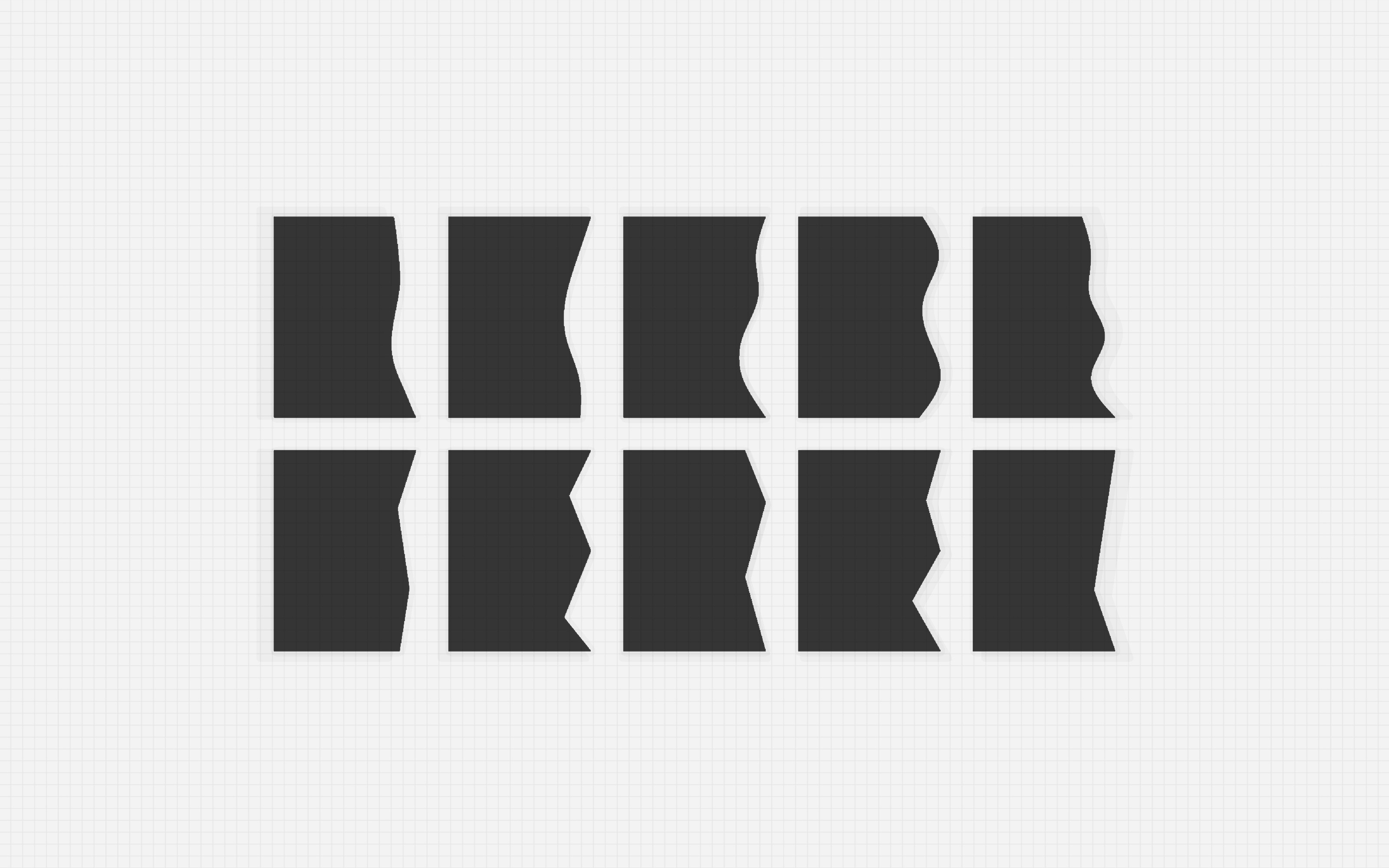
we approached the binder sheets as an opportunity to make the participant materials feel designed, not default, and to turn dense information into a guided reading experience. early on, we proposed a layered “cut” concept that used the sheet silhouette as part of the graphic system, creating depth and a distinctive physical rhythm across sections, and we tested multiple cut behaviors—straight, angled, and more organic profiles—to evaluate how far the form could go while still respecting ESPM’s tone. in parallel, we iterated on internal layouts to organize high-density content with consistent hierarchy across agenda, speaker bios, and long-form text, defining a repeatable editorial framework that could scale across the full binder and absorb content changes without rethinking structure. after reviewing prototypes, Dalton Pastore recommended a more traditional sheet format without cuts, prioritizing clarity and institutional restraint, so the final system retained the editorial logic and navigation structure while adopting a clean, standard silhouette for production consistency.
because the binder was the primary deliverable, we designed an editorial system that could handle multiple content types without losing hierarchy or pacing. we established a modular grid, consistent typographic levels, and reusable layout components that support quick scanning and long-form reading, ensuring that section transitions, headings, and supporting elements behave predictably across the full document. this framework was built to be repeatable across editions, so content could shift—speakers, timings, text volume—while the navigation logic, spacing discipline, and overall visual rhythm remained stable, recognizable, and production-safe.
we approached the binder sheets as an opportunity to make the participant materials feel designed, not default, and to turn dense information into a guided reading experience. early on, we proposed a layered “cut” concept that used the sheet silhouette as part of the graphic system, creating depth and a distinctive physical rhythm across sections, and we tested multiple cut behaviors—straight, angled, and more organic profiles—to evaluate how far the form could go while still respecting ESPM’s tone. in parallel, we iterated on internal layouts to organize high-density content with consistent hierarchy across agenda, speaker bios, and long-form text, defining a repeatable editorial framework that could scale across the full binder and absorb content changes without rethinking structure. after reviewing prototypes, Dalton Pastore recommended a more traditional sheet format without cuts, prioritizing clarity and institutional restraint, so the final system retained the editorial logic and navigation structure while adopting a clean, standard silhouette for production consistency.
because the binder was the primary deliverable, we designed an editorial system that could handle multiple content types without losing hierarchy or pacing. we established a modular grid, consistent typographic levels, and reusable layout components that support quick scanning and long-form reading, ensuring that section transitions, headings, and supporting elements behave predictably across the full document. this framework was built to be repeatable across editions, so content could shift—speakers, timings, text volume—while the navigation logic, spacing discipline, and overall visual rhythm remained stable, recognizable, and production-safe.
final booklet
final booklet
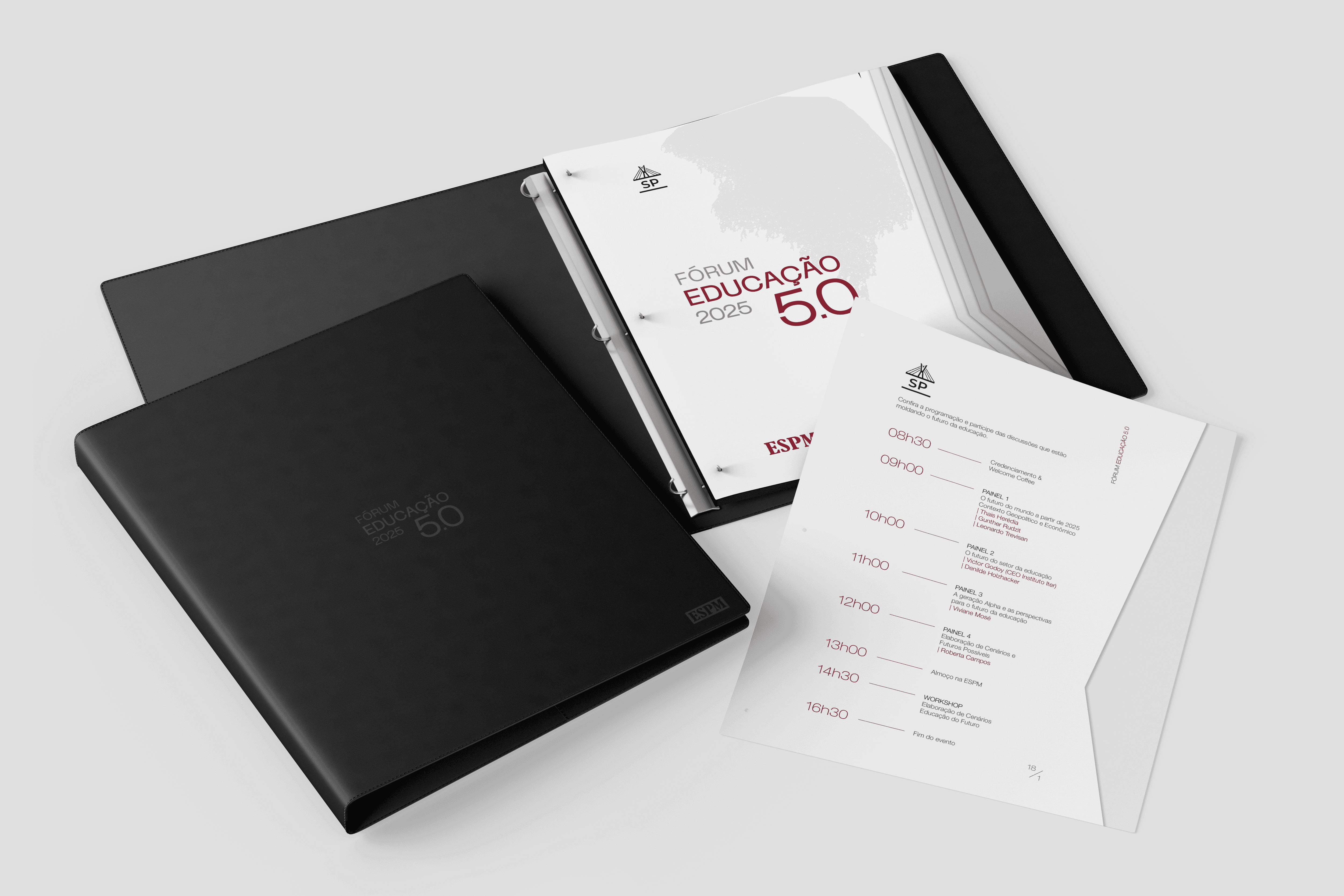
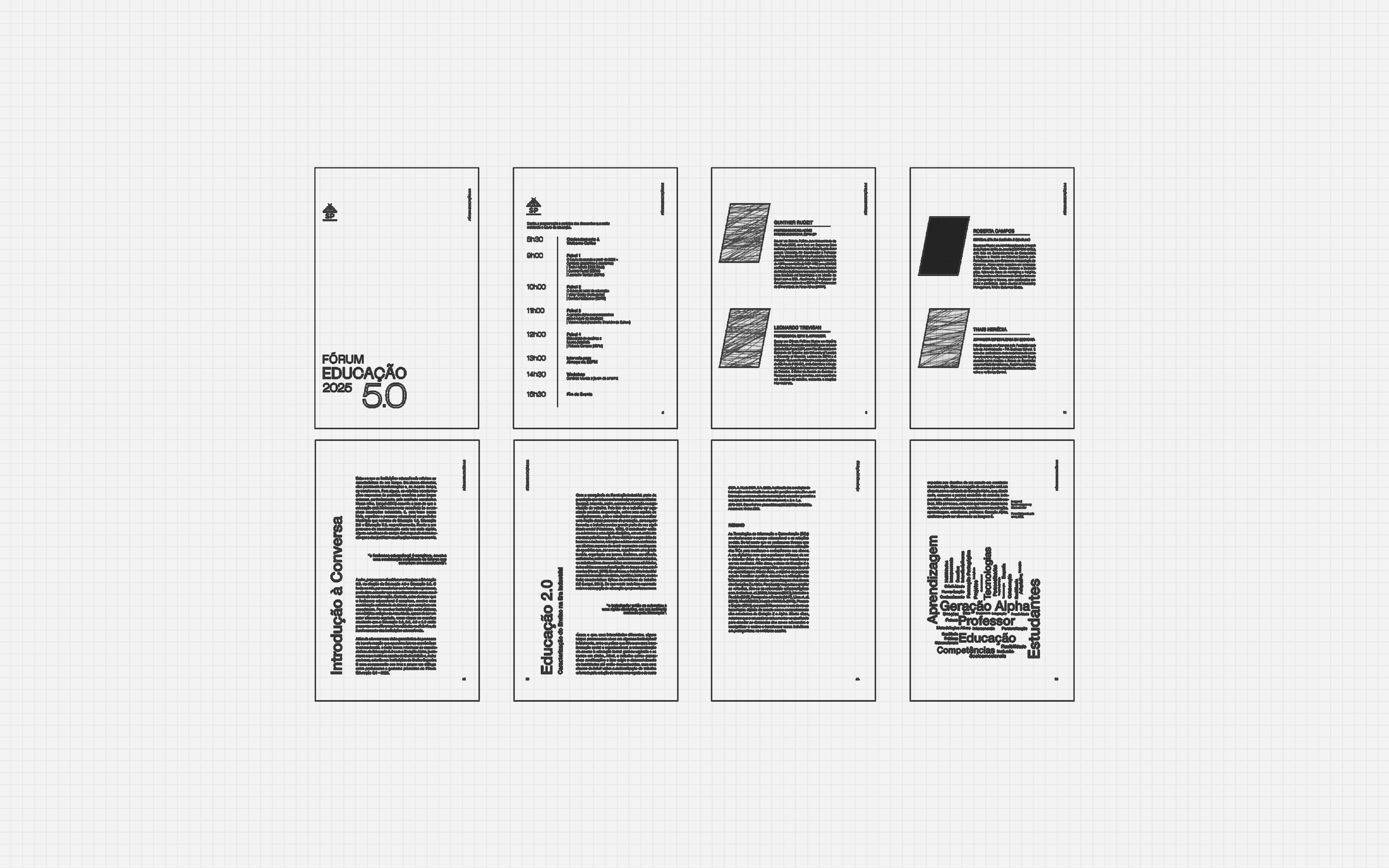
we delivered a complete identity system and translated it into a practical editorial toolkit built for real production constraints. the final package included standardized logo lockups, typographic hierarchy, a modular grid and reusable components, the binder cover system, and fully typeset binder booklets for both rio de janeiro and são paulo editions, exported as print-ready files with controlled variation only where content changed. the result is a cohesive, repeatable foundation that keeps ESPM’s institutional credibility intact while giving the forum a distinct signature, enabling future editions to evolve through content without rebuilding the identity or the editorial structure.
explore the complete binder booklet below to see the system operating end-to-end, from section pacing and navigation to hierarchy under dense content. the issuu preview makes it possible to evaluate how the grid, typographic levels, and repeatable components hold consistency across different information types, and how the identity remains present without competing with readability.
we delivered a complete identity system and translated it into a practical editorial toolkit built for real production constraints. the final package included standardized logo lockups, typographic hierarchy, a modular grid and reusable components, the binder cover system, and fully typeset binder booklets for both rio de janeiro and são paulo editions, exported as print-ready files with controlled variation only where content changed. the result is a cohesive, repeatable foundation that keeps ESPM’s institutional credibility intact while giving the forum a distinct signature, enabling future editions to evolve through content without rebuilding the identity or the editorial structure.
explore the complete binder booklet below to see the system operating end-to-end, from section pacing and navigation to hierarchy under dense content. the issuu preview makes it possible to evaluate how the grid, typographic levels, and repeatable components hold consistency across different information types, and how the identity remains present without competing with readability.